


19 Dec How Winter Freeze–Thaw Cycles Cause Hidden Leaks in Indianapolis Buildings
As winter arrives in Indianapolis, the beauty of frosted landscapes and quiet snowfall can mask the slow, silent damage happening to buildings across the city. Beneath the surface of commercial rooftops and behind exterior walls, freeze–thaw cycles begin their seasonal assault, gradually creating weaknesses that often go undetected until water damage or mold appears months later. These cycles are more than a seasonal inconvenience; they are a significant factor in the degradation of structural integrity and a leading cause of hidden leaks in commercial properties.
Understanding how freeze–thaw patterns affect Indianapolis buildings is essential for property owners and facility managers. In this blog, we explore how winter weather causes these covert leaks, why commercial structures are especially vulnerable, and what steps can be taken for effective winter waterproofing. If you’ve ever found yourself searching for commercial building leak repair in Indianapolis after the thaw, you’re not alone. The damage begins long before it becomes visible.
The Science Behind Freeze–Thaw Damage
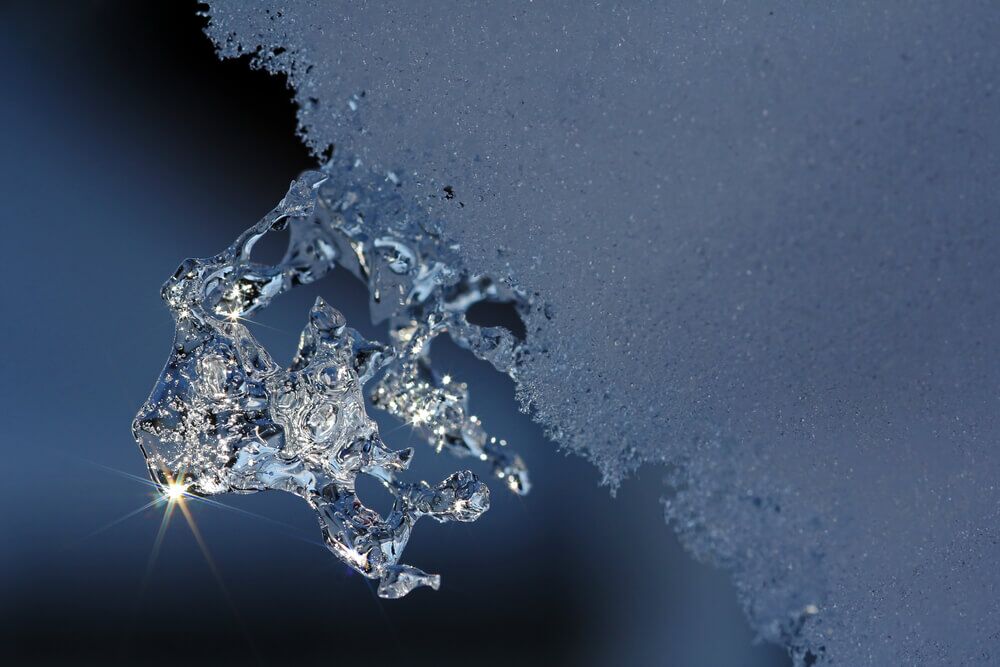
Freeze–thaw cycles occur when moisture seeps into porous building materials, freezes during low nighttime temperatures, and then melts as the temperature rises during the day. This repetitive process causes the water to expand and contract, exerting pressure on materials such as concrete, brick, mortar, and even asphalt. Over time, this pressure creates cracks, fissures, and eventually leaks.
In Indianapolis, winter temperatures frequently fluctuate around the freezing point. This means buildings are regularly exposed to repeated freeze–thaw conditions, often daily throughout the colder months. While the damage may seem minimal at first, these cycles compound over time, weakening the structure at a microscopic level before larger failures become evident.
The issue is particularly severe in materials like concrete and masonry that are commonly used in commercial buildings. These materials may appear solid but contain countless tiny pores. Moisture from rain, snowmelt, or condensation can enter these pores and begin the destructive freeze–thaw process. Without adequate winter waterproofing, Indianapolis buildings are sitting targets for long-term moisture damage.
How Hidden Leaks Develop in Commercial Buildings
Leaks caused by freeze–thaw cycles are especially insidious because they often remain hidden behind walls, ceilings, or under floors for months. Unlike a burst pipe or storm damage, these leaks develop gradually, starting as hairline fractures that allow small amounts of water to seep in. Over time, moisture collects and infiltrates insulation, drywall, electrical systems, and HVAC infrastructure.
Commercial buildings often have complex structural systems, with multiple layers of roofing, wall cladding, and waterproof membranes. If any of these systems are compromised during winter, identifying the source of a leak becomes increasingly difficult. Moreover, mechanical systems and ductwork can mask signs of water damage, delaying discovery until mold growth, ceiling stains, or even foul odors appear.
Indianapolis properties with flat or low-sloped roofs are particularly vulnerable. Snow accumulation followed by melting and refreezing around drainage points can lead to ponding, ice dam formation, and eventual roof membrane failure. If gutters are clogged or improperly sloped, water has nowhere to go and finds its way through the path of least resistance, typically cracks or seams in the building envelope.
Another common scenario involves water seeping into the gaps around windows and expansion joints. As temperatures drop and rise, these joints expand and contract, potentially pulling away from the sealant and creating new avenues for moisture intrusion. Without proactive commercial building leak repair, Indianapolis property managers may not notice the damage until internal repairs become unavoidable.
Why Indianapolis is Especially Susceptible
Indianapolis experiences a wide range of winter weather conditions: heavy snowfalls, ice storms, sub-zero cold snaps, and warm spells that quickly melt accumulated snow. These extremes create the perfect storm for freeze–thaw cycles to wreak havoc on commercial structures. Unlike more temperate regions, the constant shift between freezing and thawing accelerates building envelope fatigue.
Older buildings are even more vulnerable. Many Indianapolis commercial properties were constructed decades ago and may not have modern waterproofing materials or design elements that mitigate freeze–thaw risks. Even newer buildings, if poorly maintained, can fall victim to small issues like cracked mortar joints, deteriorated sealants, or clogged roof drains, all of which open the door to water infiltration during winter.
Humidity also plays a role. Even when there’s no visible precipitation, condensation from internal heating systems can migrate to colder outer surfaces of the building. When this moisture freezes overnight, it contributes to the stress on exterior materials, further exacerbating potential leaks.
Another contributing factor is the reliance on reactive rather than proactive maintenance. Many Indianapolis building owners wait until water damage appears before seeking help. By then, the cost and scope of repairs are far greater. Incorporating winter waterproofing strategies before cold weather hits can prevent the damage entirely or limit it significantly.
Prevention Through Winter Waterproofing
The key to stopping freeze–thaw damage before it starts is preventative maintenance. Winter waterproofing isn’t just a seasonal suggestion; it’s a necessary step in preserving the integrity of commercial structures in Indianapolis. It starts with a comprehensive building envelope inspection, ideally in late fall before the first freeze. These inspections can identify vulnerabilities like aging caulk, deteriorated flashing, minor roof tears, and hairline masonry cracks.
Once identified, these issues should be addressed immediately. High-quality sealants, cold-weather roofing membranes, and masonry coatings can all act as barriers against moisture intrusion. Properly functioning gutters and downspouts should also be checked, cleaned, and aligned to direct water away from vulnerable surfaces.
Roof assessments are especially critical. Flat roofs should be examined for ponding, damaged membranes, and clogged drains. In some cases, installing additional slope or tapered insulation can prevent future ponding. Snow guards and heating cables may also be used to control snow buildup and reduce the risk of ice dams.
Additionally, a building’s HVAC and ventilation systems should be evaluated to prevent internal condensation. If humidity levels are too high, condensation will increase the likelihood of freeze–thaw damage on both interior and exterior surfaces. Keeping an eye on temperature gradients throughout the building can help identify trouble spots before they become leak sources.
Professional services specializing in commercial building leak repair in Indianapolis offer customized maintenance plans that include these winter waterproofing measures. By investing in a prevention-first strategy, property owners can avoid the compounding costs of emergency leak repair, structural restoration, and tenant disruptions.
Stop Leaks Before They Start
Freeze–thaw cycles pose a significant and often overlooked threat to Indianapolis commercial buildings during winter. Though their effects are not always immediate, the damage they cause can accumulate quickly and lead to costly, hard-to-detect leaks. Understanding the science behind these cycles, recognizing how they create hidden moisture pathways, and acting proactively with proper winter waterproofing are essential steps for property preservation.
Commercial building owners and managers in Indianapolis should treat winterization with the same seriousness as other critical maintenance tasks. Rather than wait for a ceiling stain, a damp floor, or a sudden mold outbreak, they can take action now to safeguard their assets. With the right seasonal strategy and attention to vulnerable areas, hidden leaks can be prevented before they start.
The time to prepare is before the next freeze. If your building hasn’t had a professional inspection or winter waterproofing service yet, it’s not too late. Consult with local experts in commercial building leak repair and protect your Indianapolis property from winter’s hidden hazards.
Need a Maintenance & Repair Contractor in Indianapolis, IN?
Here at Knauss Property Services, LLC, we understand the critical role regular property inspections play in maintaining your commercial space. Our expert team is dedicated to ensuring your property not only meets safety and compliance standards but also operates at peak efficiency. Don’t wait for minor issues to escalate into costly problems—reach out to us today to schedule a comprehensive inspection. Let us help you safeguard your investment, enhance operational efficiency, and preserve the value of your commercial property.