
17 Jan Why Mid-Winter Exterior Inspections Matter for Indianapolis Commercial Properties
As winter tightens its grip on Indianapolis, commercial property owners and managers face a critical period that tests the resilience of their buildings. Mid-winter is not just about enduring the cold. It is a pivotal time to conduct a thorough commercial exterior inspection. This type of inspection can mean the difference between catching minor issues before they become major repairs and dealing with costly emergencies later.
In Indianapolis, where winters can bring freezing temperatures, snow accumulation, and thaw cycles, building exteriors take a significant beating. These conditions often expose weaknesses in the structural envelope that might not be evident during other seasons. A proactive inspection helps identify these vulnerabilities early and ensures that your property remains safe, functional, and compliant with local codes.
A mid-winter inspection is especially important because the extreme conditions of early winter often reveal how well a building is holding up. By this point in the season, weather patterns and temperature drops have had a chance to work on any minor defects, turning them into more visible warning signs. The midpoint of winter becomes the ideal time to assess those signs and act before late-winter storms or the spring thaw compounds the damage.
Common Exterior Issues Uncovered During Winter
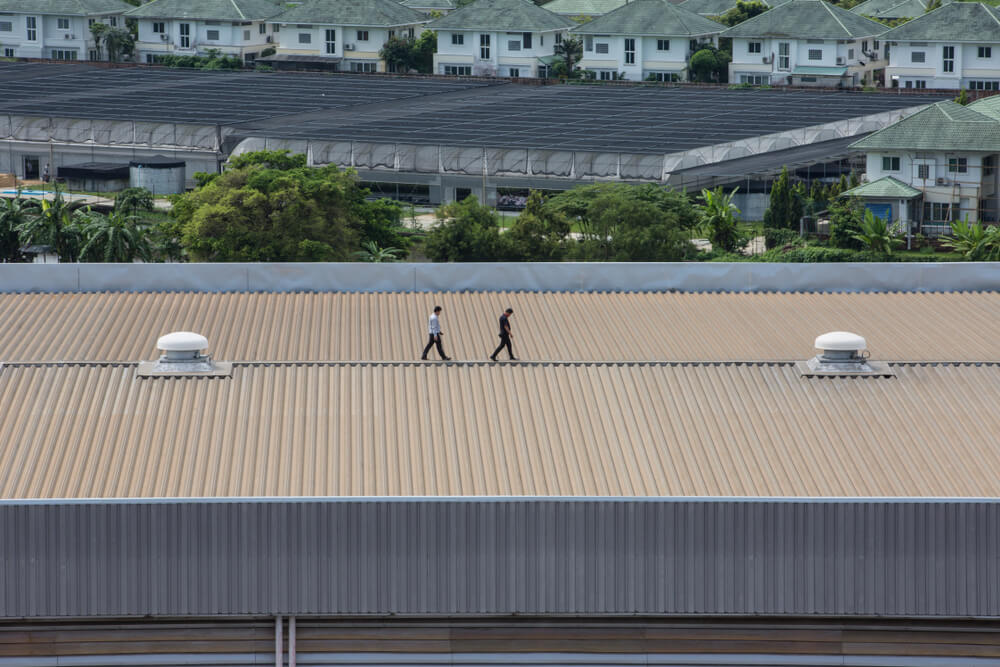
When conducting a commercial exterior inspection in Indianapolis during mid-winter, several issues tend to appear more frequently due to the nature of the season. One of the most common problems is damage to roofing systems. Ice dams, built-up snow, and the freeze-thaw cycle can all cause cracks, leaks, and gutter malfunctions. Even flat roofs, which are prevalent in commercial buildings, can suffer from pooling water and trapped snow that gradually erodes protective layers.
Another prevalent issue is facade damage. The exterior walls of buildings can experience stress from shifting temperatures. Bricks may crack, mortar joints can fail, and siding may warp or detach. Moisture intrusion becomes a serious concern when snow begins to melt and refreezes, forcing water into any small crevices or openings in the exterior. These intrusions may not be visible indoors yet, but a proper inspection can detect them before mold, rot, or insulation degradation sets in.
Windows and doors are also vulnerable. Caulking and sealants tend to deteriorate faster in freezing conditions, which can lead to heat loss and increased energy costs. Broken seals around windowpanes or door frames are another red flag often missed without an up-close look. Additionally, exterior lighting and signage may experience wear during cold snaps, especially if fixtures are exposed to snow or ice accumulation.
Sidewalks, parking lots, and loading docks should not be overlooked either. Ice can make walkways hazardous, and salt used for de-icing can contribute to concrete deterioration. Cracks in pavement may widen during temperature swings, creating liabilities for property managers. All these aspects form a holistic picture of why winter building maintenance is crucial in this region.
The Indianapolis Climate and Its Unique Challenges
Indianapolis presents a distinctive set of environmental conditions that make winter building maintenance more than just a best practice. With average January temperatures dipping well below freezing and snowfall that averages 20 inches or more annually, commercial buildings in the region must be equipped to withstand constant stress from cold, wind, and moisture.
Mid-winter inspections serve as a response to these unique challenges. Indianapolis does not have the predictability of more temperate regions. Sudden snow squalls, extended cold snaps, and brief warmups followed by freezing rain are common occurrences. These fluctuations place heavy strain on roofing membranes, facade materials, and drainage systems. Ice accumulation in downspouts and gutters can lead to dangerous overflows, and clogged drains may force water back into the building envelope.
Furthermore, the city’s building codes and maintenance standards account for these regional conditions. Commercial property owners must ensure their facilities meet these requirements not only for the sake of safety but also to maintain insurance compliance and avoid potential fines or lawsuits. A commercial exterior inspection done mid-winter provides the necessary documentation and confidence that your property is prepared to withstand the remainder of the season.
Mid-winter also serves as a valuable checkpoint for assessing how previous repairs or maintenance efforts have held up. If a roof patch or facade repair was completed in the fall, now is the time to see if it is performing under stress. Indianapolis winters will reveal flaws that milder conditions conceal, giving property managers critical insight into how their assets are aging and where reinforcements may be necessary.
Long-Term Benefits of Mid-Winter Inspections
One of the most compelling reasons to invest in a mid-winter commercial exterior inspection is the long-term financial benefit. By catching problems early, building owners can address issues with less invasive repairs and at lower costs than if those problems were left to worsen. A minor leak found in January may only require a simple sealing job, whereas by March, it could have escalated into widespread water damage or mold remediation.
Scheduling inspections during mid-winter also allows for better planning and budgeting for the upcoming spring and summer maintenance seasons. Rather than reacting to surprise issues once the snow melts, property owners can enter the warmer months with a clear understanding of their building’s needs. This proactive approach reduces downtime, enhances tenant satisfaction, and contributes to the overall longevity of the property.
Another long-term benefit is maintaining energy efficiency. Buildings that are leaking heat through poorly sealed windows or roof damage are more expensive to operate. In a commercial environment, these added heating costs can be substantial. An inspection that identifies and corrects these inefficiencies pays for itself over time through reduced utility bills.
In addition, a well-maintained exterior protects the building’s value. Curb appeal matters, even in winter, especially for commercial tenants and customers who assess properties based on their appearance and upkeep. Regular inspections send a clear message that the property is professionally managed and structurally sound, which can be a key factor in tenant retention and lease negotiations.
Coordinating with Professional Inspection Services
While some property managers may perform basic checks themselves, a professional commercial exterior inspection offers a much higher level of detail and assurance. Certified inspectors are trained to spot subtle signs of deterioration that may be invisible to the untrained eye. They use tools like infrared imaging, moisture meters, and drones to inspect roofs and facades more thoroughly, especially in hard-to-reach areas.
In Indianapolis, many inspection firms specialize in winter building maintenance and understand the unique demands of the local climate. Partnering with such experts ensures that the inspection is not only thorough but also tailored to regional conditions. These professionals can provide written reports, photographic documentation, and prioritized recommendations, which are valuable for both immediate repairs and long-term capital planning.
It is also beneficial to build a consistent inspection schedule. Working with the same service provider year over year allows for continuity in reports and a deeper understanding of your property’s history. By conducting inspections at the same time each winter, patterns of wear can be identified, and recurring problems can be more efficiently addressed.
A professional inspection also provides peace of mind. For building owners juggling multiple properties or managing tenants with critical operations, knowing that their asset has been carefully reviewed reduces stress. It also supports compliance with lease agreements or industry regulations that may require proactive maintenance and documentation.
Conclusion
Mid-winter is a pivotal moment in the maintenance calendar for Indianapolis commercial properties. A well-timed commercial exterior inspection during this period offers numerous advantages. It uncovers weather-related damage, ensures structural integrity, and helps avoid costly emergency repairs. Given the unique climate of Indianapolis, where winters are unpredictable and often severe, staying ahead of potential issues is not just smart; it is necessary.
Proactive inspections lead to better financial planning, safer environments for tenants and customers, and more reliable building performance. Whether managing a single storefront or a large commercial complex, prioritizing winter building maintenance with the help of trained professionals is one of the most valuable investments a property owner can make.
By taking advantage of the mid-winter window, you position your commercial property for success not only for the remainder of the cold season but well into the spring and beyond.
Need a Maintenance & Repair Contractor in Indianapolis, IN?
Here at Knauss Property Services, LLC, we understand the critical role regular property inspections play in maintaining your commercial space. Our expert team is dedicated to ensuring your property not only meets safety and compliance standards but also operates at peak efficiency. Don’t wait for minor issues to escalate into costly problems—reach out to us today to schedule a comprehensive inspection. Let us help you safeguard your investment, enhance operational efficiency, and preserve the value of your commercial property.