


17 Jan Winter Snow Load Risks for Flat Commercial Roofs in Indianapolis
Winters in Indianapolis can be as beautiful as they are dangerous for property owners, especially when it comes to managing buildings with flat roofs. Snow accumulation poses serious risks for commercial properties, and without proper awareness and maintenance, businesses can suffer significant structural damage and operational disruptions. Flat roofs, in particular, are more vulnerable to these winter hazards because they lack the natural shedding ability of pitched roofs.
As snow builds up, it adds weight (commonly referred to as snow load) to the structure, which can strain roofing systems and potentially lead to collapse. Indianapolis experiences a fair amount of snowfall each year, and the frequency of snowstorms, along with fluctuating temperatures, makes this issue especially pressing for commercial property managers in the area. Recognizing the threats associated with snow load and implementing an effective commercial roof maintenance plan is vital for keeping your business protected.
Why Flat Roofs Are Especially Vulnerable
Flat roofs are a common architectural choice for commercial buildings due to their cost efficiency and ease of installation. However, their design comes with a drawback during winter: they do not naturally shed snow. Instead, snow and ice accumulate and sit directly on the surface for extended periods. Unlike pitched roofs where gravity helps reduce the load by allowing snow to slide off, flat roofs must bear the full weight until it melts or is manually removed.
This situation is exacerbated in cities like Indianapolis where winter temperatures fluctuate around the freezing mark. Snow may partially melt during the day and refreeze at night, creating ice layers that are heavier and more damaging than fluffy snow. Over time, these repeated cycles of freezing and thawing increase stress on the roof’s structure. Trapped water can also seep into tiny cracks and expand as it freezes, which further compromises the roof’s integrity.
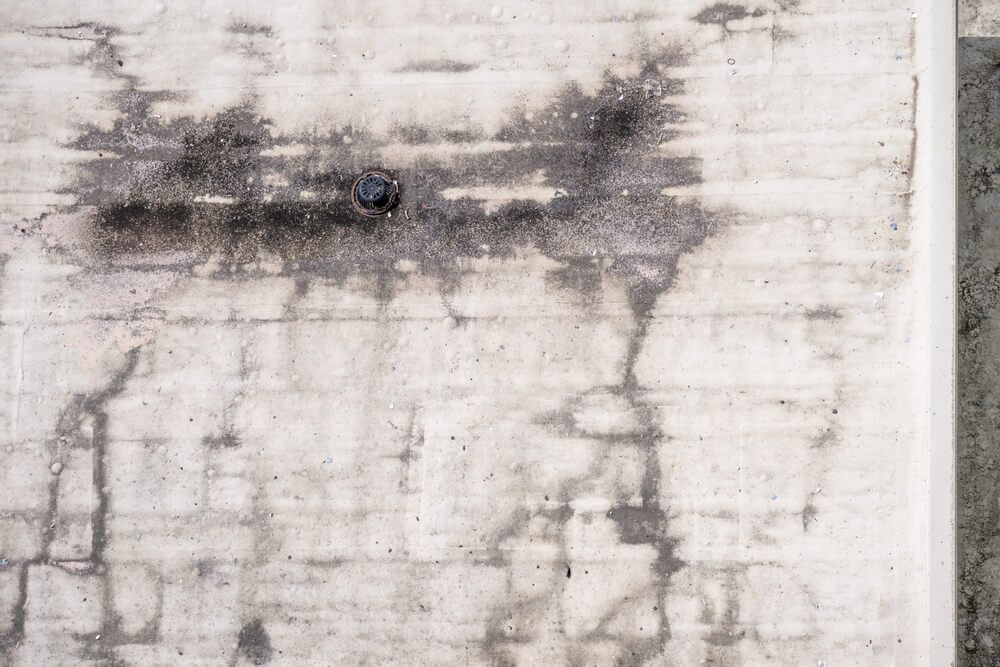
Design flaws or insufficient drainage can compound these problems. Flat roofs rely on internal drains, scuppers, or slight slopes to direct water toward exit points. If those systems are clogged or blocked by ice, melting snow has nowhere to go and adds even more weight. This lack of drainage can turn a simple snow event into a structural emergency.
The Impact of Snow Load on Structural Integrity
Snow load is the downward force on a building’s roof from accumulated snow and ice. In Indianapolis, building codes are designed to ensure that commercial roofs are constructed to withstand expected snow loads, but they are not infallible. Unusually heavy storms or successive snowfalls without adequate removal can push these structures beyond their design limits.
When a flat roof is subjected to excessive snow load, the first warning signs may be subtle. Interior ceiling tiles may start to sag or develop water stains. Doors and windows might stick due to subtle shifts in the structure. Over time, the stress can cause roof membranes to crack, metal fasteners to shear off, or support beams to bend under pressure.
Eventually, if the weight is not reduced, it can lead to partial or total roof failure. This poses a threat not only to the building itself but also to employees, inventory, equipment, and business operations. The financial consequences of such a collapse include not just repairs but potential liability and lost revenue during recovery.
Insurance may help cover some of the damages, but carriers often require proof of regular maintenance. If neglect is found, coverage could be reduced or denied. That makes proactive commercial roof maintenance even more critical during Indianapolis winters.
Best Practices for Commercial Roof Maintenance in Winter
Routine maintenance is the best defense against winter snow load risks. Commercial buildings in Indianapolis should have a detailed maintenance plan that includes regular roof inspections, especially before and after major snow events. Early detection of weak points, such as deteriorated flashing or compromised membranes, can prevent small issues from becoming structural crises.
Snow removal is an essential part of maintenance but must be done carefully. Using metal shovels or improper techniques can damage the roofing surface, leading to leaks when the snow begins to melt. It is best to hire professionals who understand how to clear flat roofs without causing harm. They can also identify signs of ice dams or improper drainage that need to be addressed.
Another key aspect of winter roof care is keeping drains clear. Ice and debris can block drainage points and cause water to pool, greatly increasing the snow load on the structure. Heating cables or insulation around vulnerable areas can help mitigate freezing issues and maintain the flow of melted snow.
Roof access should be controlled and limited to trained personnel. Walking on a flat roof during or after snowfall is dangerous due to hidden weak spots and slippery surfaces. Any inspection or snow removal should follow safety protocols and be performed by those familiar with flat roof systems.
It is also wise to review historical weather data and forecasts. If a particularly heavy storm is predicted, preemptive snow removal or even temporary structural support may be necessary. The cost of such measures is far less than dealing with a collapsed roof.
Adapting to Indianapolis Weather Conditions
Indianapolis winters are unpredictable, with snowfall that can vary widely from one season to the next. Some years bring just a few inches, while others are marked by blizzards and lingering snowpacks. This variability makes it difficult to rely solely on past experience when planning for snow load management.
The city’s winter weather often includes sudden temperature swings. These shifts can turn snow into water and then ice in a matter of hours. Flat roofs are particularly susceptible to these freeze-thaw cycles, which can lead to long-term damage. Commercial property owners in Indianapolis need to be ready for anything the season brings.
One way to stay ahead is by investing in roof load monitoring systems. These devices can provide real-time data on the amount of snow load on your roof. Alerts can warn property managers when action is needed before a critical threshold is reached. Though not commonly used in all commercial properties, such technology can be particularly beneficial in high-risk areas or large facilities.
Local contractors familiar with Indianapolis weather patterns are an asset when it comes to inspections and repairs. Their experience allows them to anticipate common problems and suggest design or material changes that better withstand the local climate. For example, installing tapered insulation or upgrading drainage systems can greatly improve a flat roof’s performance in snowy conditions.
Conclusion
Flat roofs are a popular choice for commercial properties in Indianapolis, but they carry specific risks during the winter months. Snow load accumulation is a major concern that can lead to costly damage or structural failure if not properly managed. Understanding the unique challenges posed by flat roofs in this climate, combined with a solid plan for commercial roof maintenance, is essential for protecting your building, your business, and the people inside.
By staying vigilant throughout the winter season, ensuring your drainage systems are functioning, and promptly removing snow when necessary, you can reduce the likelihood of roof damage. The unpredictable nature of Indianapolis weather means that preparation is your best defense. Investing in preventive measures now can save you from major problems later, making your commercial property safer and more resilient all year round.
Need a Maintenance & Repair Contractor in Indianapolis, IN?
Here at Knauss Property Services, LLC, we understand the critical role regular property inspections play in maintaining your commercial space. Our expert team is dedicated to ensuring your property not only meets safety and compliance standards but also operates at peak efficiency. Don’t wait for minor issues to escalate into costly problems—reach out to us today to schedule a comprehensive inspection. Let us help you safeguard your investment, enhance operational efficiency, and preserve the value of your commercial property.