

27 Oct Commercial Building Washing in Indianapolis, IN: How to Remove Stains Without Damaging Exterior Surfaces
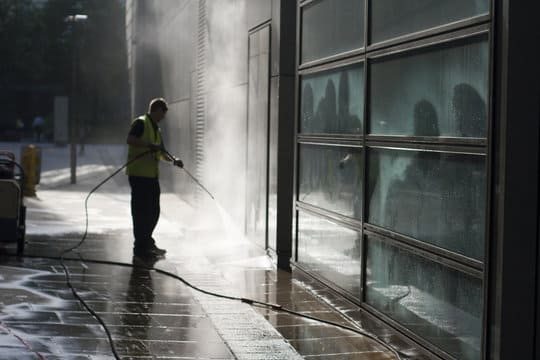
Take a look at the exterior of your commercial building. Are there dark streaks running down the brickwork, green patches appearing along shaded walls, or stubborn stains that seem to get worse every year? For commercial property owners and facility managers throughout Indianapolis, these issues are more than cosmetic concerns. They can affect how customers, tenants, and visitors perceive the property while making it harder to identify developing exterior maintenance problems.
Fortunately, professional commercial building washing can remove many types of accumulated dirt, carbon deposits, algae, and industrial grime without damaging the underlying materials. However, the cleaning method matters just as much as the cleaning products. Brick, stone, concrete, and metal cladding don’t all respond the same way to water pressure or chemical treatments.
For Indianapolis commercial properties, a successful cleaning project should consider several factors:
- Exterior materials: Brick, stone, concrete, and aluminum cladding require different cleaning products and application methods.
- Stain identification: Carbon buildup, algae, grease, and industrial residue may require different treatments.
- Water pressure: Excessive pressure can erode mortar joints, damage masonry surfaces, and force moisture into vulnerable openings.
- Building condition: Cleaning can expose cracks, deteriorated caulking, and other potential water intrusion points.
- Long-term maintenance: Combining washing with necessary masonry repairs or waterproofing can help protect the building after cleaning.
At Knauss Property Services, we’ve spent more than 35 years working with commercial and industrial building exteriors throughout Indianapolis and Central Indiana. Our specialized cleaning approach considers the materials, environmental conditions, and overall condition of each building so we can recommend appropriate methods for removing stains while protecting the exterior.
Why Commercial Building Exteriors Develop Stains and Discoloration
Commercial building exteriors develop stains when airborne pollutants, moisture, biological growth, and industrial residue accumulate on their surfaces. In Indianapolis, buildings near heavily travelled roads, industrial facilities, and areas with limited sunlight may experience different types of staining that require specialized cleaning techniques.
Carbon Deposits and Traffic Pollution
Carbon deposits commonly appear as dark streaks or gray-black discoloration on exterior walls. Buildings near major traffic corridors, including I-465, I-70, and I-65, may be exposed to exhaust-related particles and other airborne pollutants.
Over time, these particles can settle into porous masonry surfaces and become difficult to remove with ordinary rinsing. Carbon buildup may be particularly noticeable on lighter stone, concrete, and architectural masonry.
Algae and Biological Growth
Algae and other biological growth often develop on exterior surfaces that remain damp or shaded. North-facing walls, areas near landscaping, and sections beneath leaking gutters may be more susceptible to visible green or dark discoloration.
Central Indiana’s humid summers and regular precipitation can create conditions that support this growth. Although some staining is primarily cosmetic, persistent moisture may also warrant further investigation.
Industrial Grime and Grease
Warehouses, manufacturing facilities, loading docks, and commercial service areas may accumulate oil, grease, soot, and other residues. These substances can cling to exterior materials and resist ordinary washing methods.
For industrial building washing, identifying the residue is essential before choosing a cleaning product. A treatment suitable for grease-covered concrete may be inappropriate for nearby painted metal panels or delicate stonework.
Why Excessive Pressure Can Damage Commercial Building Exteriors
Excessive pressure can damage commercial building exteriors by eroding mortar, etching stone, removing protective coatings, or forcing water into joints and openings. While pressure washing has appropriate applications, using more force than the material can tolerate may create problems that are more expensive than the original staining.
For example, directing a concentrated high-pressure stream at aging brickwork can damage weakened mortar joints. On certain stone surfaces, aggressive washing may permanently alter the texture or appearance.
Water can also enter through deteriorated caulking, cracks, and gaps around windows or wall penetrations. This is particularly concerning when a building already has moisture intrusion problems that haven’t been identified.
Commercial pressure washing in Indianapolis should therefore involve evaluating the exterior before selecting pressure levels and cleaning products. Test areas, controlled application methods, and appropriate rinsing procedures help reduce the risk of unnecessary damage.
The National Park Service also recommends selecting the gentlest effective cleaning method when working with historic masonry. This principle is especially relevant to older commercial buildings with delicate brick, stone, or architectural finishes.
How Different Exterior Materials Should Be Cleaned
Different exterior materials require cleaning methods matched to their porosity, finish, condition, and chemical compatibility. A technique that removes stubborn grime from modern concrete might damage softer brick, natural stone, or coated aluminum panels.
Brick Building Cleaning
Brick building cleaning requires attention to the condition of the bricks and mortar joints. Older masonry buildings in downtown Indianapolis may contain softer materials or weathered mortar that cannot tolerate aggressive washing.
Appropriate masonry cleaners and carefully controlled rinsing can help remove surface contamination without unnecessarily damaging the brick. However, loose mortar, cracking, and deterioration should be evaluated before washing begins.
Stone Building Cleaning
Natural stone surfaces vary considerably in their composition and sensitivity. Limestone, for example, can react poorly to acidic cleaning products, while certain abrasive methods may permanently damage the surface.
For commercial properties with limestone or decorative stone façades, product compatibility and test cleaning are particularly important. The goal is to remove unwanted buildup without changing the stone’s texture, colour, or original appearance.
Concrete and Tilt-Up Panel Cleaning
Concrete building cleaning often involves removing carbon deposits, biological growth, and industrial grime from large exterior surfaces. Tilt-up concrete panels are common in warehouses, distribution facilities, and other commercial buildings throughout Central Indiana.
Although concrete is durable, its surface can still be damaged by excessive pressure or unsuitable chemicals. Cleaning crews must also consider panel coatings, sealants, joints, and surrounding materials.
Aluminum Cladding Cleaning
Aluminum cladding requires a different approach because many panels contain factory-applied coatings or protective finishes. Harsh chemicals, abrasive equipment, and concentrated pressure may damage these surfaces.
Gentler cleaning products and controlled application methods can help remove dirt while preserving the finish. Careful attention should also be given to panel joints and sealants.
At Knauss Property Services, we use material-specific cleaning methods for brick, stone, concrete, tilt-up panels, and aluminum cladding. Our commercial façade cleaning approach focuses on selecting appropriate products and techniques rather than applying the same process to every building.
How Building Washing Can Reveal Hidden Exterior Damage
Professional building washing can reveal hidden exterior damage by removing dirt and staining that previously concealed cracks, deteriorated caulking, damaged mortar, and other signs of building-envelope deterioration. These discoveries can help property managers identify maintenance needs that might otherwise remain unnoticed.
For example, a commercial office building near Keystone at the Crossing might have heavy discoloration around its window joints. Once the accumulated grime is removed, deteriorated sealant or small masonry cracks may become easier to identify.
Common warning signs include:
- Cracked or missing caulking around windows and doors.
- Deteriorating mortar joints between bricks or masonry units.
- Cracks developing across concrete panels.
- Water staining beneath exterior joints or penetrations.
- Loose or deteriorated masonry materials.
- White mineral deposits indicating moisture movement through masonry.
- Areas where coatings are peeling, blistering, or separating.
Cleaning alone doesn’t confirm whether water has entered the building. However, visible defects can help determine where additional inspections, leak detection, or repairs may be necessary.
When Should Building Washing Be Combined With Masonry Repairs or Waterproofing?
Building washing should be combined with masonry repairs or waterproofing when exterior cleaning exposes deteriorated joints, cracking, damaged sealants, or conditions that allow moisture to enter the building. Addressing these problems is often necessary to protect the structure rather than simply improve its appearance.
Masonry Repairs and Tuckpointing
Brick and stone façades rely on properly maintained mortar joints to help resist weather exposure. When mortar begins cracking or falling away, moisture can enter vulnerable areas and contribute to deterioration.
Tuckpointing, masonry patching, and other restoration methods may be appropriate depending on the damage. Repairs should be coordinated with cleaning so deteriorated areas aren’t subjected to unnecessary water pressure.
Sealant Replacement and Leak Repairs
Commercial buildings also depend on properly functioning sealants around windows, expansion joints, and other exterior connections. When these materials fail, rainwater may find pathways into wall assemblies.
Our commercial exterior restoration services include building washing, masonry restoration, waterproofing, and leak detection and repair. This allows us to evaluate cleaning needs alongside potential building-envelope concerns and recommend additional work when appropriate.
Waterproofing Considerations
Waterproofing and water-repellent treatments can provide useful protection in certain circumstances, but they must be compatible with the building’s materials and moisture conditions.
Applying an unsuitable coating can trap moisture or interfere with the wall’s ability to dry. For that reason, treatment selection should follow an appropriate evaluation rather than automatically applying a sealer after every washing project.
How Often Should Commercial Buildings Be Professionally Washed?
Commercial building washing frequency depends on the property’s location, exterior materials, environmental exposure, and appearance standards. Buildings near busy roadways or industrial operations may accumulate grime faster than properties in less exposed areas.
For Indianapolis offices, retail centres, and warehouses, periodic exterior inspections can help determine when cleaning is needed. Facility managers should pay particular attention to recurring stains, algae growth, and discoloration around joints or drainage areas.
Spring and fall can be convenient times to evaluate exterior conditions, especially after winter weather or periods of heavy rainfall. However, actual cleaning schedules should also account for temperature limitations, operational requirements, and material-specific considerations.
Regular maintenance can help preserve a professional appearance while creating opportunities to identify developing problems before they become more extensive.
Frequently Asked Questions About Commercial Building Washing in Indianapolis
1. What is the difference between commercial building washing and pressure washing?
Commercial building washing involves evaluating the exterior materials, identifying stains, and selecting appropriate cleaning products and techniques. Pressure washing is one possible method, but specialized building cleaning may also involve lower-pressure applications, chemical treatments, and controlled rinsing.
2. Can commercial pressure washing damage brick buildings in Indianapolis?
Yes, excessive pressure can damage brick surfaces and deteriorated mortar joints, particularly on older commercial buildings. Professional brick cleaning should consider masonry condition, appropriate pressure, and chemical compatibility before treatment begins.
3. Can professional cleaning remove black stains from concrete buildings?
Many black stains caused by carbon deposits, biological growth, or accumulated grime can be reduced or removed through professional cleaning. However, the results depend on the stain’s source, how deeply it has penetrated, and the condition of the concrete.
4. Does Knauss Property Services clean warehouses and industrial buildings in Central Indiana?
Yes. We provide commercial building cleaning in Central Indiana for large facilities, including warehouses, industrial buildings, office properties, and other commercial structures. Our services include specialized cleaning for concrete, tilt-up panels, brick, stone, and metal cladding.
5. Can building washing help identify water leaks in Indianapolis commercial properties?
Building washing can reveal deteriorated caulking, cracks, and other visible conditions that may contribute to water intrusion. However, confirming an active leak may require additional investigation, which is why we also offer commercial leak detection and repair services.
6. Should exterior masonry be repaired before or after commercial building washing?
The appropriate sequence depends on the condition of the masonry and the scope of work. Severely damaged or unstable areas may require repairs before washing, while cleaning can make other defects easier to identify. A professional evaluation helps establish the safest approach.
Restore Your Commercial Building’s Appearance Without Compromising Its Exterior
Your building’s exterior does more than create a first impression. It protects the people, equipment, inventory, and daily operations inside, which makes appropriate cleaning an important part of long-term property maintenance. Whether you manage an Indianapolis office building, a retail centre in Carmel, or an industrial facility near Plainfield, removing exterior stains should never come at the expense of the materials underneath. Choosing the right cleaning methods can improve appearance while helping you identify maintenance concerns that deserve attention.
At Knauss Property Services, we combine more than 35 years of experience with specialized knowledge of commercial building materials and exterior restoration. From removing carbon deposits and biological buildup to identifying deteriorated sealants and masonry damage, we approach each project with the building’s overall condition in mind. If your property needs professional cleaning, we’re ready to help you explore an appropriate solution.
Contact Knauss Property Services today to request an estimate for commercial building washing in Indianapolis, IN, and throughout Central Indiana.