


13 Apr What Is the Best Commercial Waterproofing Strategy for Below-Grade Structures in Indiana?
Indiana’s climate presents a unique set of challenges for commercial property owners and facility managers. With heavy spring rains, freeze-thaw cycles throughout winter, and significant groundwater pressure in many parts of the state, below-grade water mitigation is not a luxury but a necessity. For commercial structures in Indianapolis and across IN, choosing the right waterproofing strategy can mean the difference between a structure that lasts decades and one that deteriorates prematurely due to moisture infiltration.
Understanding the full scope of commercial waterproofing options is the first step toward protecting your investment.
Why Below-Grade Water Mitigation Is Critical for Indiana Structures
Below-grade structures, including basements, parking garages, tunnels, and utility vaults, are constantly exposed to hydrostatic pressure from surrounding soil and groundwater. In Indiana, seasonal rainfall averages around 41 inches per year, and the combination of clay-heavy soils in many regions makes drainage particularly problematic. When water finds its way into a below-grade structure, it does not simply cause aesthetic damage. It weakens concrete, corrodes rebar, promotes mold growth, and compromises structural integrity over time.
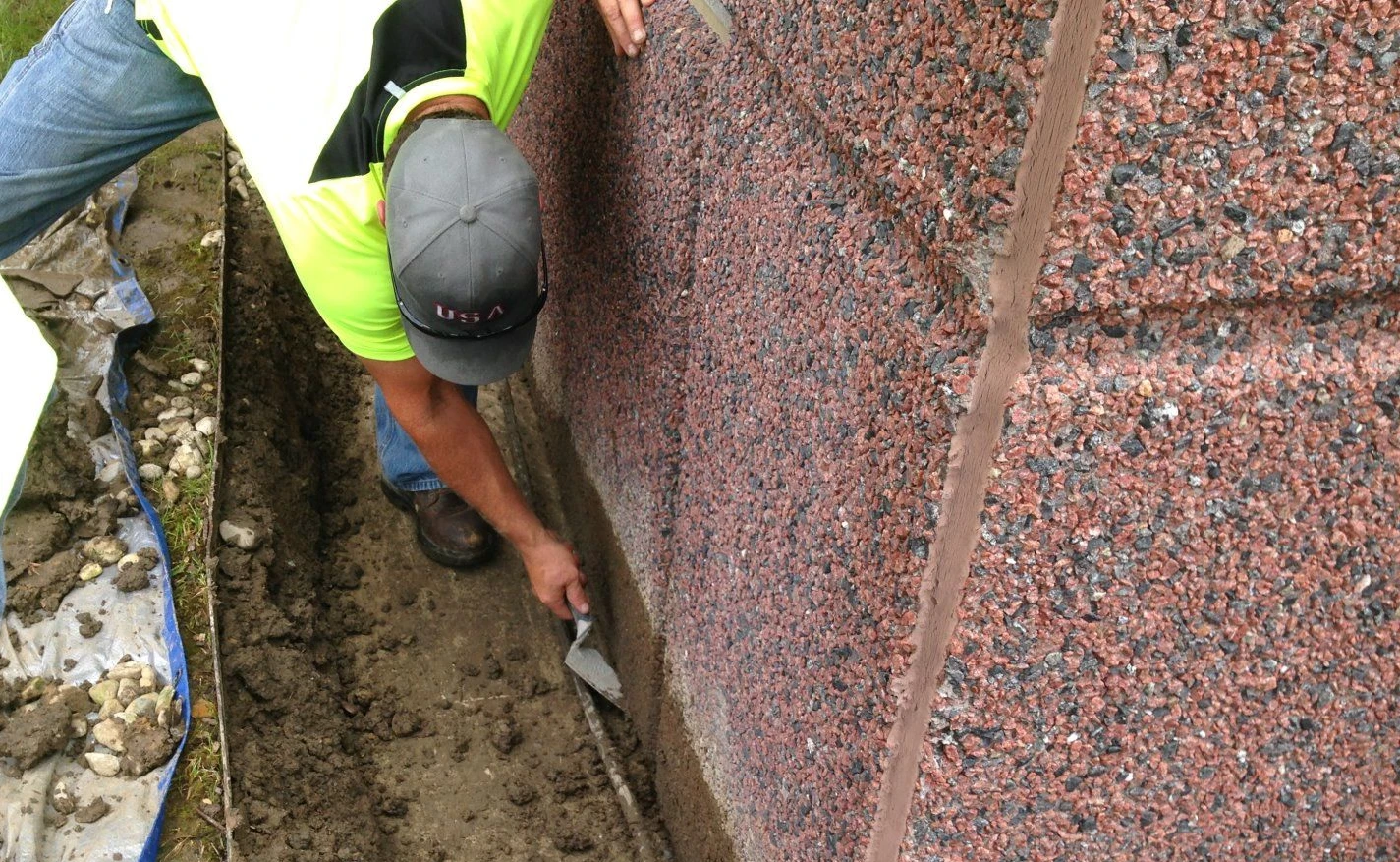
Effective below-grade water mitigation starts with a proper assessment of the site conditions, including soil permeability, water table depth, and existing drainage infrastructure. Commercial waterproofing contractors in Indianapolis typically begin with a forensic evaluation before recommending any system. This assessment guides the selection of the most appropriate waterproofing approach, whether that involves exterior membrane applications, interior drainage systems, crystalline waterproofing treatments, or a combination of all three.
The stakes are especially high for mixed-use developments, hospitals, municipal buildings, and commercial office towers, where business continuity depends on keeping lower levels dry and operational year-round. Investing in proper foundation waterproofing from the start is significantly more cost-effective than remediation after water damage has occurred.
Foundation Waterproofing Methods Used in Commercial Construction
Foundation waterproofing for commercial buildings in Indianapolis and throughout IN generally falls into a few broad categories: sheet-applied membranes, fluid-applied membranes, crystalline waterproofing, and drainage mat systems. Each method has distinct advantages depending on the project type, budget, and site conditions.
Sheet-applied membranes, often composed of modified bitumen or thermoplastic materials, are adhered directly to the exterior of a concrete foundation wall. They provide a durable, seamless barrier against hydrostatic pressure and are well-suited for new construction where the exterior of the foundation is accessible. These systems are commonly used on large commercial developments in Indianapolis because they offer proven performance over many decades when installed correctly.
Fluid-applied membranes offer greater flexibility in terms of application, particularly on complex geometries and areas with penetrations, pipes, and tie holes. Contractors apply these coatings in liquid form using spray or roller equipment, and they cure to form a seamless, elastic waterproofing layer. The flexibility of these systems allows them to bridge minor cracks that may develop as the structure settles over time.
Crystalline waterproofing works by penetrating the concrete matrix and forming insoluble crystals that fill capillary pores and micro-cracks. This method is particularly valuable in retrofit scenarios where exterior excavation is not practical. It is also a popular choice for below-grade water mitigation in structures where adding thickness to walls or floors would compromise usable space.
Parking Garage Sealants and Deck Coating Systems
Parking structures represent one of the most demanding applications in commercial waterproofing. Exposed to vehicle traffic, deicing salts, UV radiation, and temperature extremes, parking garage decks and ramps require robust parking garage sealants and deck coating systems that can withstand years of mechanical and chemical abuse.
In Indiana, where road salt use during winter months is heavy, chloride-induced corrosion of reinforcing steel is a primary concern for parking structure owners. When chloride ions penetrate unprotected concrete, they attack the passive oxide layer on rebar, initiating corrosion that expands the steel and eventually cracks the surrounding concrete. This process, known as spalling, can rapidly compromise the structural integrity of a parking deck if left unaddressed.
High-performance deck coating systems for parking garages typically consist of a polyurethane or epoxy base layer combined with a wear-resistant topcoat. These systems are engineered to remain flexible across temperature extremes, resist penetration by deicing chemicals, and provide sufficient traction for vehicle and pedestrian safety. Traffic-bearing membrane systems installed by commercial waterproofing specialists in Indianapolis are often warranted for 10 to 15 years, depending on the product and application conditions.
For existing parking structures showing early signs of deterioration, penetrating concrete sealers can serve as a cost-effective protective measure. Silane and siloxane-based sealers repel water and chlorides without significantly altering the appearance of the concrete. While they do not provide the same level of protection as a full deck coating system, they extend the service life of the concrete and are an appropriate choice for structures in relatively good condition.
Selecting the Right Drainage and Waterproofing System for Commercial Projects in Indianapolis
No commercial waterproofing strategy is complete without addressing drainage. Even the most well-designed membrane system can fail if water is allowed to accumulate and exert excessive hydrostatic pressure against a foundation wall or slab. This is why below-grade water mitigation for commercial structures in Indianapolis almost always incorporates a drainage component alongside the primary waterproofing membrane.
Drainage mat systems, also known as dimple mats, are installed against the exterior of foundation walls to create a drainage plane between the soil and the membrane. These mats direct groundwater downward toward a perimeter drain, which then conveys water away from the structure through gravity or a sump pump system. The reduction in hydrostatic pressure provided by this drainage plane extends the life of the waterproofing membrane and reduces the risk of water infiltration through joints and penetrations.
Interior drainage systems are commonly used in retrofit applications where excavating the exterior of an existing commercial building is not feasible. A perimeter channel is cut into the concrete slab at the base of the foundation wall, and a drain tile is installed to collect and redirect water that has already entered the building envelope. While interior systems do not prevent water from entering the wall assembly, they manage it effectively and protect the usable interior space.
The selection of the appropriate drainage system depends on factors including the water table elevation, the volume of groundwater infiltration, the structural configuration of the building, and budget considerations. An experienced commercial waterproofing contractor with knowledge of Indianapolis soil conditions and local building codes will be best positioned to recommend the right combination of systems.
Long-Term Maintenance and Inspection for Commercial Waterproofing Systems
Even the highest-quality commercial waterproofing systems require periodic inspection and maintenance to remain effective over their intended service life. For below-grade structures in Indiana, annual inspections conducted after the spring thaw are particularly important, as freeze-thaw activity can open new cracks or stress existing seams in waterproofing membranes.
Facility managers responsible for commercial properties in Indianapolis should document the condition of all waterproofing and deck coating systems annually. Photographic records of any cracks, delamination, pooling water, or efflorescence help contractors identify patterns of deterioration and prioritize repairs before they escalate into major failures. Early intervention is almost always far less expensive than allowing water infiltration to progress to the point of structural damage.
For parking garages, crack injection with polyurethane foam or epoxy is a common maintenance measure used to seal active leaks or dormant cracks in concrete decks and walls. These repairs restore the continuity of the waterproofing system and prevent deicing chemicals from reaching the reinforcing steel below.
Facility managers should also pay attention to deck coating systems as they approach the end of their warranty periods. Recoating an existing surface before the underlying concrete has become compromised is significantly more economical than full deck replacement. Working with commercial waterproofing professionals in IN who understand the local climate and usage patterns ensures that maintenance programs are tailored to the specific demands of each structure.
Conclusion
Protecting below-grade commercial structures in Indiana requires a comprehensive approach that combines the right waterproofing membranes, foundation waterproofing methods, parking garage sealants, deck coating systems, and drainage solutions. For property owners and facility managers in Indianapolis and across IN, partnering with experienced commercial waterproofing contractors is the most reliable path to long-term structural protection and reduced lifecycle costs.
Need a Maintenance & Repair Contractor in Indianapolis, IN?
Here at Knauss Property Services, LLC, we understand the critical role regular property inspections play in maintaining your commercial space. Our expert team is dedicated to ensuring your property not only meets safety and compliance standards but also operates at peak efficiency. Don’t wait for minor issues to escalate into costly problems—reach out to us today to schedule a comprehensive inspection. Let us help you safeguard your investment, enhance operational efficiency, and preserve the value of your commercial property.