


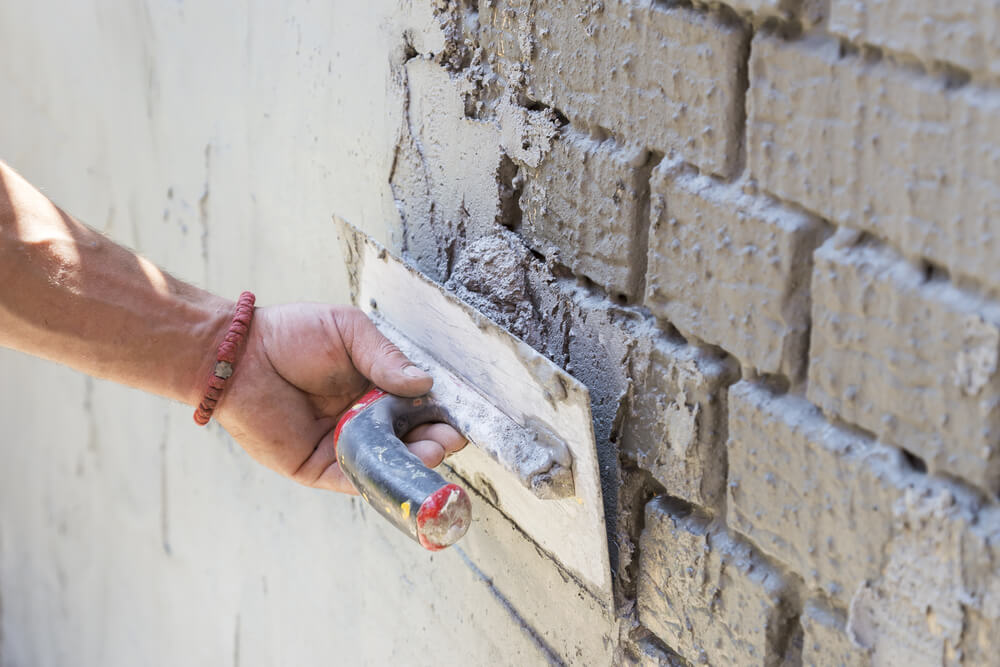
13 Apr When Is It Time for Commercial Tuckpointing and Masonry Restoration to Save Your Brickwork?
Brick buildings carry a kind of permanence that other construction materials simply cannot match. They stand through decades of harsh weather, shifting temperatures, and the general wear of time. But even the most solid brick structure has a vulnerability: the mortar joints holding everything together. When those joints begin to fail, the consequences can ripple through an entire building’s structural integrity.
For property owners and facility managers in Indianapolis, IN, knowing when to call in professional commercial tuckpointing and masonry restoration services is not just a matter of aesthetics. It is a matter of protecting a significant investment.
1. Your Mortar Joints Are Showing Visible Deterioration
The most obvious sign that your building needs attention is the condition of the mortar joints themselves. Mortar is softer than brick by design, which means it absorbs the stress of weather cycles and settles over time so the bricks do not. This is actually intentional, because replacing mortar is far less costly than replacing brick. However, when mortar begins to crack, crumble, or recess more than a quarter inch from the face of the brick, the building is telling you something important.
Deteriorated mortar allows water to penetrate the wall assembly. In Indianapolis, IN, where freeze-thaw cycles are common throughout the winter months, water that enters a mortar joint will expand as it freezes and contract as it thaws. Over repeated cycles, this process widens cracks, loosens bricks, and can eventually compromise the load-bearing capacity of a wall. Commercial tuckpointing addresses this directly by removing the damaged mortar to a proper depth and packing in fresh, compatible mortar that seals the joint and restores the wall’s weather resistance.
If you notice mortar that looks sandy, powdery, or recessed when you run your hand along the wall, do not delay. The longer deteriorated mortar is left in place, the more expensive the eventual repair will become.
2. You Are Seeing Staining, Efflorescence, or Spalling on the Brick Surface
Water damage does not always announce itself with a visible crack. Sometimes it shows up as white, chalky deposits on the surface of your brick, a condition known as efflorescence. This occurs when water moves through the masonry and carries soluble salts to the surface, where they are deposited as the water evaporates. While efflorescence itself is not structurally dangerous in early stages, it is a reliable indicator that water is actively moving through your masonry system.
Spalling is a more serious symptom. This is when the face of a brick begins to flake, chip, or pop off entirely. Spalling is typically caused by water infiltration combined with freeze-thaw cycles, and it signals that the brick itself is breaking down. Once bricks begin to spall, they lose their protective outer layer and become increasingly vulnerable to further damage.
Professional brick repair and cleaning can address both of these issues. Cleaning removes existing staining and efflorescence, while targeted brick repair replaces damaged units before the problem spreads. In Indianapolis, IN, commercial properties that experience these symptoms and ignore them often face far more invasive and costly repairs within just a few seasons.
3. The Building Has Historical Significance or Aging Infrastructure
Older commercial buildings require a particularly thoughtful approach to masonry restoration. Historic building restoration is a specialty discipline that demands knowledge of period-appropriate materials, techniques, and standards. Using the wrong mortar mix on a 19th-century brick building, for example, can cause irreversible damage. Modern Portland cement mortars are often far harder than the soft, lime-based mortars used in historic construction. When a hard mortar is packed into a joint alongside soft historic brick, the brick itself becomes the point of failure rather than the mortar, leading to widespread brick damage that is difficult and expensive to reverse.
In Indianapolis, IN, there are numerous commercial and civic buildings with significant historic value. Property owners responsible for these structures have both a preservation obligation and a practical interest in maintaining them correctly. Masonry restoration services that specialize in historic building restoration understand how to match mortar composition, color, and texture to original materials. They know how to clean historic brick without damaging the surface. They can assess whether original bricks can be salvaged or need to be carefully sourced for replacement.
If your building was constructed before the mid-20th century, it is worth consulting with a masonry restoration professional before undertaking any repair work. Incorrect interventions, even well-intentioned ones, can create long-term problems that diminish both the structural integrity and the historic character of the property.
4. Lintels Are Corroding or Failing
One structural component that often gets overlooked in commercial masonry inspections is the lintel. Lintels are horizontal structural elements, typically made of steel or stone, that span openings like windows and doors and carry the weight of the masonry above them. In older brick buildings, steel lintels are common, and steel has a well-known vulnerability: it rusts when exposed to moisture.
When a steel lintel begins to corrode, it expands. That expansion puts outward pressure on the surrounding masonry, causing cracks to radiate from the corners of window and door openings. You may notice stair-step cracking in the brick pattern above a window, or horizontal cracking just above a doorframe. These are warning signs that lintel replacement may be necessary.
Ignoring a failing lintel is a serious mistake. As the corrosion progresses, the lintel loses its structural capacity, and the masonry it supports becomes unstable. Lintel replacement is a targeted intervention that can save the surrounding brickwork and prevent a much larger structural failure. In Indianapolis, IN, commercial properties with aging steel lintels should have them inspected regularly as part of any comprehensive masonry restoration services plan.
5. Water Is Getting Inside the Building
If you are experiencing interior water intrusion that you cannot trace to a roof or plumbing source, the building envelope itself may be the entry point. Brick walls are not entirely waterproof by nature. They rely on properly functioning mortar joints, flashing systems, and sealants to manage water and direct it away from the interior. When any of these components fail, water finds its way in.
Interior symptoms of masonry water intrusion include efflorescence on interior walls, damp spots on masonry near window or door frames, peeling paint or wallboard near exterior walls, and musty odors in spaces adjacent to brick walls. These signs indicate that the exterior masonry system has been compromised and that water is moving through the wall assembly unchecked.
Commercial tuckpointing and masonry restoration services can identify and address the specific failure points allowing water infiltration. This may involve repointing mortar joints, repairing or replacing flashing, applying appropriate water repellents, or conducting targeted brick repair and cleaning to restore the integrity of the wall. In Indianapolis, IN, addressing water intrusion quickly is especially important given the seasonal weather extremes that accelerate damage once a breach occurs.
Conclusion
Brick and masonry structures are built to last, but they require consistent attention to do so. For commercial property owners in Indianapolis, IN, recognizing the early signs of mortar failure, water infiltration, spalling, lintel corrosion, and historic material degradation is the first step toward protecting a long-term asset. Professional commercial tuckpointing and masonry restoration services, including brick repair and cleaning, lintel replacement, and historic building restoration, are investments that extend the life of a building and help avoid far more costly structural repairs down the road. When in doubt, have a qualified masonry professional assess your property. Early action is always the smarter and more economical choice.
Need a Maintenance & Repair Contractor in Indianapolis, IN?
Here at Knauss Property Services, LLC, we understand the critical role regular property inspections play in maintaining your commercial space. Our expert team is dedicated to ensuring your property not only meets safety and compliance standards but also operates at peak efficiency. Don’t wait for minor issues to escalate into costly problems—reach out to us today to schedule a comprehensive inspection. Let us help you safeguard your investment, enhance operational efficiency, and preserve the value of your commercial property.